
AI and the policy machine
Andrew Whitten talks about why funders should embrace complexity to tackle AI’s socioeconomic risks.
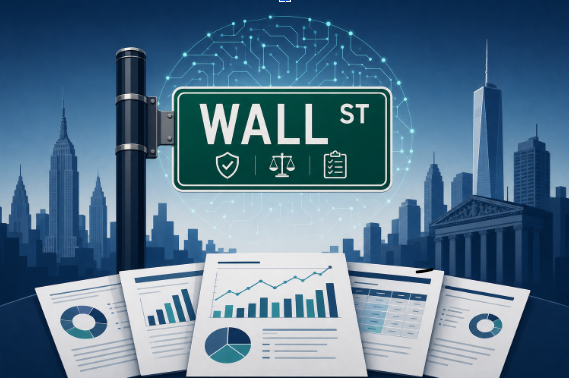
Transparency vs. Alignment: Financial Governance of AI
Laura Rachevsky explores how achieving AI democratisation requires public accountability through financial governance.

Etching Out Influence: Exploring ASML as a Strategic Asset in EU-US Relations
Alina Hueber looks into ASML’s monopoly on lithography machines providing a unique opportunity for the EU to limit catastrophic AI risks and advance long-term EU economic security.

Boosting the EU's Position in AI Through Third Places Diplomacy
Kristina Fort argues that the EU should build partnerships with AI-capable countries other than the US and China.

Securing Remote External GPAI Evaluations
Alejandro Tlaie argues that independent, technically rigorous external audits should become a mandatory pillar of AI governance for advanced general-purpose models.

AI Agents: Why We Should Strategize on Governance
Afek Shamir argues that AI agents become more capable, policymakers have a narrow window to build traceability tools before governance failure becomes irreversible.

Strengthening Cybersecurity of Frontier AI Model Companies and Their Supply Chains via DoD Procurement
Kathrin Gardhouse says that robust cybersecurity at frontier AI companies and across their supply chains has become a critical national security concern.

Internal Warnings, Public Stakes: Strengthening AI Whistleblower Protections in the EU
Jakub Kryś presents a set of recommendations to strengthen the whistleblowing ecosystem in the EU.

My journey into AI governance
Michelle Nie explores how her life changed when she left her tech career, entered AI governance, and did the Talos Fellowship.

Breaking into AI policy: Insights from five industry experts
Kristina Fort interviewed five people to explore their journeys into AI policy careers.

Overcoming Big Tech AI Merger Evasions: Innovating EU Competition Law through the AI Act
Jacob Schaal & Tekla Emborg explore how Big Tech uses compute-and-equity "quasi-mergers" to sidestep EU merger law, proposing that antitrust rules incorporate the AI Act's systemic-risk and compute thresholds to close the gap.